


 Jan 12,2026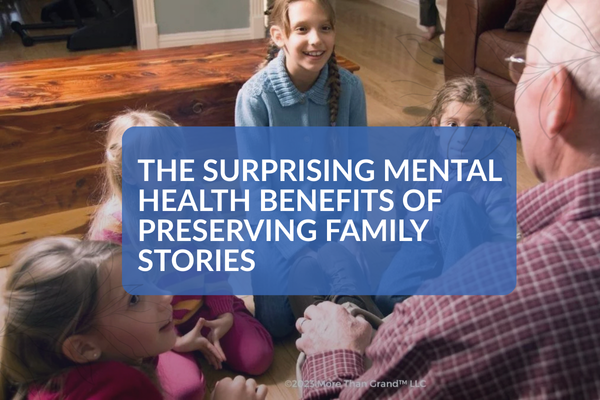
Anxiety, loneliness, stress, and identity struggles affect people of all ages. While therapy, mindfulness, and self-care practices are often discussed, one powerful tool is frequently overlooked: family storytelling.
The simple act of sharing and preserving stories about where we come from has profound psychological benefits. The importance of family stories goes far beyond nostalgia; they shape identity, strengthen emotional resilience, and foster deep connections that support mental well-being. When families commit to storytelling about family, they create emotional anchors that help individuals navigate life with greater confidence and stability.
Family Stories Create a Strong Sense of Identity
One of the most significant mental health benefits of family storytelling is the development of a strong personal identity. People who know their family stories tend to understand themselves better. They know where they come from, what challenges their family has faced, and what values have endured.
Research consistently shows that individuals, especially children, who are familiar with the importance of family stories have higher self-esteem and greater emotional security. These stories provide context during difficult times. When someone understands that previous generations survived hardship, loss, or failure, their own struggles feel more manageable.
Storytelling about family reminds individuals that they are part of something larger than themselves. This sense of belonging is a powerful buffer against anxiety, depression, and feelings of isolation.
Family Storytelling Builds Emotional Resilience
Life is unpredictable, and resilience is essential for mental health. One surprising benefit of family storytelling is how effectively it builds emotional resilience across generations.
When families openly share stories of setbacks, mistakes, and recovery, they normalize struggle. Children and adults alike learn that failure is not final and that growth often comes through adversity. The importance of family stories lies not only in celebrating success but in honouring perseverance.
Storytelling about family allows individuals to internalize coping strategies modelled by relatives who came before them. These narratives become emotional tools that people draw upon during stressful or uncertain times, reinforcing hope and perseverance.
Reducing Anxiety Through Shared Perspective
Anxiety often stems from uncertainty and a lack of control. Family storytelling provides a perspective that reduces this emotional burden. Hearing how previous generations navigated wars, financial hardship, illness, or major life transitions helps modern challenges feel less overwhelming.
The importance of family stories becomes especially clear during periods of change. Knowing that others in your family faced similar fears and survived creates reassurance. This shared perspective calms the nervous system and encourages rational thinking during emotionally charged moments.
Through storytelling about family, individuals gain emotional grounding. They learn that uncertainty is part of the human experience and that resilience runs through their family lineage.
Strengthening Emotional Bonds and Social Connection
Human connection is essential for mental health, and family storytelling is one of the most effective ways to strengthen emotional bonds. Sharing stories creates moments of vulnerability, empathy, and understanding between family members.
The importance of family stories is often most visible during storytelling sessions where laughter, reflection, and emotion are shared. These interactions foster trust and emotional safety, which are critical for psychological well-being.
Storytelling about family also bridges generational gaps. Younger family members feel seen and valued when elders share their experiences, while older generations experience purpose and validation through storytelling. These connections reduce loneliness on both sides.
Preserving Stories Supports Emotional Processing
Many people carry unprocessed emotions related to family experiences, loss, or unresolved questions. Family storytelling can serve as a healthy form of emotional processing. Telling and hearing stories allows families to make sense of past events in a supportive environment.
The importance of family stories becomes especially evident when they include honest reflections, not just polished memories. Open storytelling encourages emotional expression, helping individuals process grief, regret, and unresolved emotions in a constructive way.
Storytelling about family provides a narrative structure that helps people integrate difficult experiences into their life story, reducing emotional fragmentation and stress.
Boosting Mental Health in Children and Adolescents
Children benefit enormously from family storytelling, particularly during developmental years. Studies show that children who know their family history tend to have lower levels of anxiety and higher emotional resilience.
The importance of family stories for children lies in predictability and security. Family narratives help children understand their place in the world and reassure them that they are supported.
Through storytelling about family, children learn that emotions are normal, challenges can be overcome, and they are not alone. This emotional foundation supports long-term mental health and confidence.
Preserving Family Stories Helps Combat Loneliness
Loneliness is one of the most serious mental health challenges today, especially among older adults. Family storytellingplays a powerful role in combating isolation by reinforcing connection and relevance.
For elders, sharing stories validates lived experience and reinforces a sense of purpose. The importance of family storiesincludes preserving wisdom and life lessons that might otherwise be lost.
Storytelling about family allows older generations to feel valued and remembered, which significantly improves emotional well-being and reduces feelings of invisibility or loneliness.
Family Storytelling Encourages Meaning and Purpose
Mental health is deeply connected to meaning. People thrive when they feel their life has purpose. Family storytellingprovides a sense of continuity and contribution that strengthens this feeling.
The importance of family stories lies in helping individuals see themselves as part of an ongoing narrative. Their choices, values, and actions matter not just today, but for future generations.
Through storytelling about family, individuals often feel motivated to live intentionally, knowing their story will one day become part of the family legacy.
The Mental Health Cost of Lost Stories
When family stories are not preserved, the emotional cost can be significant. People often feel disconnected, rootless, or regretful when stories are lost to time. The absence of shared narratives can weaken identity and emotional continuity.
The importance of family stories becomes painfully clear after loss, when unanswered questions remain. Family storytelling helps prevent this regret by capturing memories while they are still accessible.
Storytelling about family ensures that emotional history is not erased, protecting future generations from the psychological gaps that lost stories create.
How to Start Preserving Family Stories Today
Starting family storytelling doesn’t require elaborate tools or perfect conditions. Begin with conversations. Ask meaningful questions. Record stories casually. Write reflections. Consistency matters more than perfection.
Understanding the importance of family stories means prioritizing them before urgency or loss forces action. Small efforts made regularly create powerful emotional archives over time.
By embracing storytelling about family as a habit rather than a project, families naturally preserve mental health benefits for generations.
The mental health benefits of family storytelling are profound, lasting, and often underestimated. By recognizing the importance of family stories and committing to storytelling about family, families strengthen emotional resilience, reduce anxiety, and create a sense of belonging that supports mental well-being across generations. Preserving family stories isn’t just about the past; it’s a powerful investment in the emotional health of the future.